
Latest posts
What Are the Early Signs and Symptoms of Delirium?
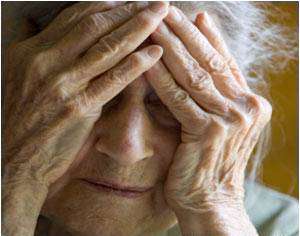
Delirium is the most common organic mental disorder; a sudden and serious perceptual disturbance resulting in a confused state of thinking and reduced awareness about the environment, due to rapid changes in the brain function. It also declines the cognitive functions and may continue from few hours to few days. It can occur as a…
பணியிடத்தில் நம் மனநலம் – ஒரு பார்வை

இந்தியா – உழைக்கும் மக்கள் அதிகம் வாழும் தேசம். இந்திய மக்கள் தொகையில் சுமார் 50% (65 கோடி) பேர் 20 வயது முதல் 65 வயதுக்கு உட்பட்டவர்கள். கிட்டத்தட்ட இவர்கள் அனைவருமே அவர்களின் வயதுக்கும் கல்வி, உடல் தகுதிக்கும் ஏற்ற ஏதேனும் ஒரு வேலையில் அல்லது தொழிலில் ஈடுபடுபவர்களாகத்தான் இருப்பர். இந்த வயதுக்கு கீழும் மேலும் உள்ளவர்களும் உழைக்கத்தான் செய்கிறார்கள் என்பது நமது தேசத்தின் மற்றுமொரு சோகம் ( அதை பெருமையாக கருத முடியுமா எனத்தெரியவில்லை).…
மனப் பிறழ்ச்சிக் குறைபாடு

14 வயதான சிறுமி கார்த்திகா, இரண்டு வாரங்களுக்கு முன்பு ஆங்கிலத் தேர்வு எழுதிக் கொண்டிருந்தபோது திடீரென அதிக தலைவலியுடன் மயங்கி விழுந்தாள். உடல் மற்றும் நரம்பியல் பரிசோதனைகள் செய்யப்பட்டு சிகிச்சை அளித்த பிறகும், அவளுக்கு தொடர்ந்து தலைவலி மற்றும் மயக்கம் ஏற்பட்டதால் மனநல மருத்துவரிடம் அழைத்து வரப்பட்டாள். உளவியல் ஆய்வில், 10-ஆம் வகுப்பு பொதுத்தேர்வில் நல்ல மதிப்பெண் பெறுவாள் என்று அவளுடைய பெற்றோரும் ஆசிரியரும் வைத்திருந்த எதிர்பார்ப்புகளை நிறைவேற்ற முடியுமா என்ற ஆழ்மனப் பயத்துடன் கூடிய பெரும்…
What Psychologists Think About Depression

There are always some days in life where one feels sad, worn out, and even nervous. Typically, this state will fade away with time. However, there are cases where sadness persists and affects the life of an individual in various ways. It might be a case of depression. Depression affects an individual in terms of…
Benefits of Therapy: How Therapy Can Improve Mental Health

Bipolar Affective Disorder: Symptoms, Causes, Diagnosis & Treatment

What is Bipolar Affective Disorder? Bipolar Affective Disorder (BPAD) is a mental disorder marked by frequent episodes of extreme “highs” (mania) and “lows” (depression) in an individual’s mood. Those affected by this illness experience changes in their mood as well as their energy and behaviour in an episodic manner with periods of normal mood in…
Treatment and Management of Schizophrenia

Getting treated Once the treatment starts, the patient gets better, gradually starts to think precisely and the distorted beliefs will go slowly. About 1 in 4 people with schizophrenia have complete remission and stay well for long years. Many take a longer time to respond to the treatment depending on their condition. Most will recover…
Cause Factors of Schizophrenia

Schizophrenia is a psychological condition, but the exact cause of schizophrenia still remains unknown. However, there are certain contributing factors, which are the following: Genetic reasons A person with a family history of schizophrenia is at a higher risk of getting the condition. But it is not always necessary to transfer the condition genetically. Chemical…
An Introduction to Schizophrenia

Schizophrenia is a condition where the patient may fail to understand what is real and thus results in an abnormal behaviour. This condition occurs due to an unbalanced mechanism in the brain. The patient may find it difficult to make others understand what he or she is going through. The symptoms of the condition may…
Risk Factors of Suicide

Suicide, normally is not a sudden incident. There may be many incidents that lead a person to suicide slowly. There are many factors such as home environment, social environment, depression, mental illness and family history that lead a person to suicide. If the person fails at a suicide attempt, the risk factors are higher. There…