
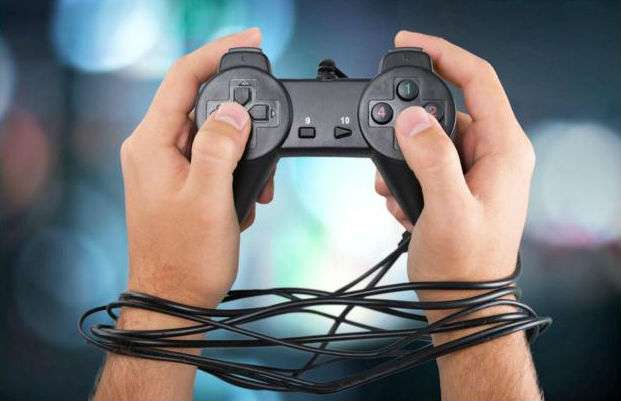
Gaming culture is stronger, more pervasive, and more accepted than ever before. With all the validation and the fact that so many other people are doing the same thing, we may not even realize that we have a problem—that we play way more than we should, that we only care about playing, ruining relationships, work, career, and studies because of it, and that we cannot stop even if we want to.
Gaming becomes life when one has been addicted for a longer period of time because it fulfils many of the needs that life should fulfil. It also does this with instant gratification and very obvious achievements like levels.
Gaming Can Motivate You
- For coping with daily stressors and escapism – The real world is full of struggles. When we are not able to cope with them, we may create a simulation that fantasizes about an ideal world full of never-ending material happiness.
- Online relationships – For the need for socialising.
- For mastery – To get control over something, for recognition, completion, excitement, and challenges; all these things are something we need to have in real life but may not have, so we get this in a simulated version of it.
Symptoms to Watch Out For
- Impaired control over the extent of gaming – Gamers affected may have less control over the amount of time they devote to gaming.
- Gaming becomes the central focus in that person’s life and continues despite adverse consequences – For example, problems with academics or turning up for work on time, isolating oneself from family in favour of playing games.
- When gaming is stopped, the person may experience irritability or anxiety and may find it difficult to control their reactions.
This indicates that problematic gaming must be taken seriously, as it can affect an individual negatively in various ways.
The American Psychiatric Association included Internet Gaming Disorder in the DSM-5 as a condition for further study, while the World Health Organization has included gaming disorder in ICD-11 as a clinically significant condition when gaming behaviour causes significant impairment in important areas of life.
Studies using neuroimaging methods have explored similarities between problematic gaming and substance-related addictions. However, gaming disorder is not the same as obsessive-compulsive disorder (OCD).
Gaming-related problems can have negative consequences and may contribute to difficulties with sleep, relationships, attention, stress, coping, self-esteem, and social functioning.
The Negative Consequences Are
- Sacrificing basic needs such as food, sleep, and real-life relationships
- Lack of attention
- Frustration
- Stress
- Dysfunctional coping
- Problems with verbal memory
- Low self-esteem
- Isolation
A Way Out?
It is very important to recognise problematic gaming as it can be serious and may go unnoticed because of a lack of knowledge about the subject. One might be experiencing problematic gaming without even knowing it.
We need to act to curb gaming addiction. Treatments and therapy at Ahana Hospitals are available for people affected by gaming-related problems, while admission may be considered in severe conditions.
Because in the end, we do need material possessions for enhancing our lives, but not at the cost of our happiness and relationships.
The fact remains that a world without these video games did exist and it was simple, real, and beautiful.
The 21st-century generation needs to know about the so-called real world that their predecessors enjoyed in their youth.
It is time for the present generation—which is vibrant, energetic, and intelligent—to be more proactive, to make the most of life when there’s time, and reap benefits from it.